
Valve Sealants
Valve sealants restore the seal between the gate, plug, or ball and the valve body, stopping leaks and freeing seized valves while the line stays in service, with no teardown required. PE Energy supplies injectable valve sealants and lubricants for sour-gas wellheads, pipelines, and refineries across the U.S., including H2S/CO2 sour-service, winter-grade low-temperature, high-temperature, and hydrocarbon-resistant grades from Everlast, Formasil, Val-Tex, and Sealweld.
Related categories: valve lube sealants, valve maintenance equipment, valve cleaners, valve flush, anti-seize compounds, valves, and the full valves and accessories range.
Which valve sealant should I use?
Match the sealant to your service condition: the gas or fluid in the line, the temperature, and the valve type. The table below maps common oil-and-gas service conditions to a stocked product; every entry links to its live spec and ordering page.
| Service condition | Recommended sealant |
|---|---|
| Sour service, H2S and CO2, ball and gate valves | Everlast 50-400 |
| Sour service, H2S and CO2, combined lubricant/sealant | Everlast 50-500 |
| Plug valves, high-viscosity H2S/CO2 | Everlast 50-400 HV |
| Low-temperature / winter H2S and CO2 | Everlast 50-300 |
| Severe corrosive service | Everlast WR |
| High-temperature valves | Everlast 1000 |
| Hydrocarbon-resistant (oil and gas) | Everlast 146 |
| Extreme-pressure (EP) valve lubricant | Everlast 117 EP |
| CO2 service sealant | Formasil CO2 |
| CO2 service, winter grade | Formasil CO2 Winter Grade |
| Water / produced-water (H2O) service | Formasil H2O |
| Winter-grade general service | Formasil RS Winter Grade |
| Refined-gas / general service | Formasil RG |
| Heavy-duty service | Formasil HD |
| General-purpose sealant | Formasil RS |
| Water-resistant sealant | Formasil WR |
| Sub-zero winter service, worn valves with minor seat leakage | Sealweld Winter Lube #7030 |
| Valve stem packing | 1900 TFE Seal, Sealweld Slick Sticks, Pack King #301 |
What temperature range does each valve sealant actually cover?
Temperature is the constraint that eliminates most candidates before chemistry does, and the published ranges differ far more than the product names suggest. The figures below are taken from the manufacturer data sheets on our own product pages, so you can confirm each one before ordering.
| Product | Published temperature range | Data-sheet detail worth noting |
|---|---|---|
| Everlast WR | -70°F to 600°F | Widest span in the range. Mil-G-27617D film stability, 168 hours at 212°F with no resinous deposit or corrosion. |
| Everlast 1000 | -20°F to 1000°F | No dropping point (ASTM D-566). Converts to a dry film at elevated temperature and will not harden. Flash point 470°F, fire point 585°F. |
| Formasil RS Arctic | -40°F to 400°F | 100% synthetic, water resistant, inhibited for H2S. |
| Everlast 50-400 | 0°F to 400°F | Meets Mil-G-6032. Cone penetration 215 to 250, rust preventive test ASTM D-1743 pass. |
| 1900 TFE Seal stem packing | 0°F to 250°F | Pumpable with a high-pressure grease gun. TFE Seal #1 uses fine to medium filler, #2 medium to large. |
Two cautions that come straight off these data sheets and are easy to miss. First, every Everlast and Formasil grade listed here carries an explicit do not use in oxygen service instruction, so none of them is a substitute for an oxygen-compatible lubricant. Second, a high upper limit is not the same as a high dropping point: Everlast 1000 and Everlast 50-400 both report no dropping point at all under ASTM D-566, which is why they hold in service where a conventional grease would melt out.
What is a valve sealant?
A valve sealant is a heavy, injectable compound forced under pressure into a valve’s sealant grooves through a fitting on the body or bonnet. It fills the gap between the closure member (gate, plug, or ball) and the seat, re-establishing a tight shutoff and lubricating the moving surfaces. Because it is injected through an external fitting, a leaking or stiff valve can be resealed under pressure without removing it from the line.
The practical measure of a sealant is how large a leak path it can bridge. Sealweld publishes that its Winter-Seal #2525 is the same base formula as Winter-Lube #7030 with micronized PTFE added specifically to seal leak paths up to 0.030 inch. That single difference is the reason a plant can carry the lubricant grade for routine service and reserve the sealing grade for valves already passing.
What valve sealant is best for H2S and CO2 (sour) service?
Sour service requires a sealant that resists chemical attack from hydrogen sulfide (H2S) and carbon dioxide (CO2) rather than washing out or hardening. The Everlast 50-series covers it: 50-400 for ball and gate valves, 50-500 as a combined lubricant/sealant, and the high-viscosity 50-400 HV for plug valves, alongside the Formasil CO2 sealant. For corrosive service that is also abrasive or wet, the Everlast WR severe-corrosive grade applies.
Washout resistance is the property that separates these from general-purpose grease, and it is measured. Everlast 50-300 and Everlast WR both publish an ASTM D-1264 water washout of 0.1% after one hour at 105°F, with a cone penetration of 250 to 270. In produced-water and salt-water service that number, not the temperature rating, is what decides whether the sealant is still in the groove at the next injection.
Which valve sealants work in cold weather or low temperatures?
Standard sealants stiffen as temperatures drop, making winter injection difficult and slowing valve response. Winter-grade formulations stay pumpable in cold climates: the Everlast 50-300 low-temperature H2S/CO2 sealant, the Formasil CO2 Winter Grade, and the Formasil RS Winter Grade. For high-temperature valves, the Everlast 1000 high-temperature grade is the counterpart.
The failure this prevents is a pumping problem, not a sealing problem. Sealweld describes Winter-Lube #7030 as built for sub-zero climates where conventional sealants become too stiff to pump, using low-temperature additives to keep injection pressure and operating torque down. It is stocked in the sizes a winter program actually consumes: 11 oz hydraulic gun cartridges, 15 oz SuperGun cartridges, 10 lb and 40 lb pails, and 120 lb drums.
Does the sealant differ for gate, plug, and ball valves?
The valve type drives the viscosity and the way the sealant seats. Plug valves typically use a higher-viscosity grade, such as the Everlast 50-400 HV, to hold pressure across the tapered plug. Gate and ball valves use the standard-viscosity Everlast 50-400 family.
Viscosity within one product family is a stocked choice, not a compromise. The Sealweld ball valve sealant #5050 is carried in five graded consistencies for the same service, from standard through X Heavy, XX Heavy, XXX Heavy and XXXX Heavy. A worn seat that will not hold on the standard grade is usually a step up this ladder rather than a change of chemistry. When the gas or fluid composition matters more than the valve body, match the chemistry first (sour, CO2, hydrocarbon, or water service), then confirm viscosity for the valve.
What is the difference between a valve sealant and a valve lubricant?
A valve lubricant reduces friction so the valve operates smoothly; a valve sealant does that and also forms a pressure-tight barrier that stops leakage past a worn seat. Many oilfield products do both: the Everlast 50-500, for example, is a combined lubricant/sealant. For pure lubrication and lighter-duty lube-sealants such as the Val-Tex and Everlast lubricant lines, see our valve lube sealants category.
One data-sheet line makes the distinction concrete. Everlast 1000 is sold as a valve lubricant/sealant but its sheet also describes it as a moly and graphite anti-seize compound for threaded connections, because it contains molybdenum disulfide. Where a product carries that dual claim, one drum can cover both the valve program and the flange and stud work; where it does not, treat the anti-seize line as a separate item.
Cannot find the right valve sealant?
If you know the gas composition, temperature range, and valve type but not the grade, our team will spec it for you and confirm pricing and lead time. Send the details and we will match a sealant to your service. Request a quote and we will respond promptly. Not sure which sealant fits your service? See the valve sealant selection guide by service media and temperature (Val-Tex 80, 80-HM, 972, 750, 2000, Valve Flush and more).
Showing all 41 results
-

117 – Everlast 117 EP Valve Lubricant
Everlast 117 is an extreme pressure synthetic valve lubricant and sealant for gate, ball, and plug valves. Everlast 117 is designed for use in close tolerance valves and will provide outstanding lubricity and reduced operating torque. Extensive laboratory evaluation has shown Everlast 117 to reduce operating torque by up to 50%. The additive package in this product provides excellent antioxidant, extreme pressure and anti-wear properties and should be used where extreme pressures prevail. Applications For use in gate valves, plug and ball valves. Suitable for use in hydrocarbon gasses, water, CO2 and H2S DO NOT use in oxygen service Features Fully additive treated 100% synthetic High metal adhesion Inhibited for H2S and CO2 Physical Properties Color: Yelow to Brown Temperature range: -50°F to 450°F Penetration, 25°C, wkd, 60 strokes: 170 to 180 Drop Point, °C: None Oxidation Stability, (D-942): 10 max. Specific Gravity @25°C: .98 -

146 – Everlast 146 Hydrocarbon Resistant
Everlast 146 is a synthetic lubricant formulated for high chemical and mechanical stability to general hydrocarbon service. The synthetic polymer oils used in Everlast 146 make this an excellent all purpose gate valve lubricant and sealant for the oilfield. Everlast 146 is a blend of synthetic oils for use in valves carrying, LPG, LNG, aliphatic hydrocarbon liquids and gasses including, kerosene, fuel oils, crude distillates; sweet or sour, water, condensate, dilute acids and caustics. It is waterproof and has excellent resistance to oxidation and high metal adhesion.ApplicationsFor use in gate valvesSuitable for use in hydrocarbon liquids and gassesDO NOT use in oxygen serviceFeatures100% syntheticWater resistantFully additive treatedHigh metal adhesionInhibited for H2SPhysical PropertiesConsistency, Cone Penetration (D-217) 220-300Dropping Point, °F (D-566) : NoneOil Separation, % wt. loss (D-1742): 5 maxOxidation Stability (D-942): 10 maxRust Preventative Test (D-1743): PassTemperature Range -40° to 500°FColor: BrownType Oil: SyntheticCorrosive Inhibitor: Imidazoline DerivativeEP Additive: Diester Type -
1900 – TFE Seal Valve Stem Packing
A pumpable packing and sealant containing high temperature proprietary fillers in a blend of synthetic oils. Recommended for use in high temperature hydrocarbon service, steam, and hot oil services. TFE Seal #1 contains fine to medium size filler particles. TFE Seal #2 contains medium to large filler particles.Principle ServiceHigh chemical and mechanical stabilityGood lubricityHigh temperature fillersEP AdditivesOxidation and corrosion inhibitorsApplicationPumpable with high pressure grease gun.Do not use in oxygen serviceTemperature Range 0 to 250°FColor: Brown -
50300 – Everlast 50-300 Low Temperature H2S /CO2
Everlast 50-300 is a synthetic valve lubricant/sealant formulated for use in highly corrosive, low temperature ser-vices. 50-300 should be used in plug valves and ball valves handling dry gasses including natural gas, manufac-tured gas and LP gasses, carbon dioxide, sour crude and gas, salt water, hydrocar-bons, acids or caustic solutions. 50-300 is a tenacious filmer to metal surfaces and will protect valve parts from the corrosive effects of oil and gas production and processing. 50-300 is excellent body filler in gate valves where hydrocarbon resistance is important and corrosion protection is critical.ApplicationsFor use in plug, ball and gate valves in low temperature environments.Suitable for use in hydrocarbon gassesDO NOT use in oxygen serviceFeaturesOutstanding low temp performanceWater insoluble and washout resistantFully additive treated100 % syntheticHigh metal adhesionExcellent corrosion resistancePhysical PropertiesColor: BlackCone Penetration: 250 to 270Dropping Point, 5 (ASTM D-566): NoneWater Washout ASTM D-1264) 1hr @ 105°F - 0.1%Rust Preventative Test (ASTM D-1743): PassFilm Stability and Steel Corrosion, Mil-G-27617D 168 @ 212°F No resinous deposit or corrosionTemperature Range: -70 to 600°FType Oil: Synthetic -
50400 – Everlast 50-400 • H2S & CO2 Ball & Gate Valve
50-400 is a dual-purpose valve lubricant/sealant that meets Mil-G-6032 “Grease Plug Valve, Gasoline & Oil Resistant.” 50400 is designed for use in plug valves as a sealant and in ball and gate valves as a lubricant 50-400 is resistant to organic acids, caustic solutions and is inhibited for use in H2S and/or CO2. This product has excellent dual resistance to water and petroleum products such as gasoline, jet fuel, lubricating oils and mixtures of these products. 50- 400 can be used in a wide variety of applications from the wellhead to product pipelines. ApplicationsFor use in plug, gate and ball valvesSuitable for use in hydrocarbon gassesDO NOT use in oxygen serviceFeaturesWater insoluble and washout resistantFully additive treated100 % syntheticHigh metal adhesionExcellent corrosion resistanceInhibited for H2S and CO2Physical PropertiesConsistency, Cone Penetration(D-217) 215-250Dropping Point, °F (D-566): NoneOil Separation, % wt. Loss (D-1742): 5 MaxOxidation Stability, (D-942) 2 @ 100 hoursRust Preventive Test (D-1743): PassTemperature Range 0 to 400°FCorrosive Inhibitor Imidazoline DerivativeEP Additive: Diester Type -
50400HV – Everlast 50-400 High Visc Plug Valve H2S – CO2
50-400 is a high viscosity valve lubricant sealant that meets Mil-G-6032 “Grease Plug Valve, Gasoline & Oil Resistant.” 50- 400 is designed for use in plug valves as a lubricant sealant. 50-400 is resistant to organic acids, caustic solutions and is inhibited for use in H2S and CO2. This product has excellent dual resistance to water and aliphatic hydrocarbons such as gasoline, jet fuel, lubricating oils, organic condensates and mixtures of these products. 50-400 can be used in a wide variety of applications from the wellhead to product pipelinesApplicationsFor use in plug valvesSuitable for use in hydrocarbon gassesDO NOT use in oxygen serviceFeaturesWater insoluble and washout resistantFully additive treated100 % syntheticHigh metal adhesionInhibited for H2S and CO2Physical PropertiesConsistency, Cone Penetration (D-1743): PassTemperature Range: -15 to 400°FColor: Dark GrayCorrosion Inhibitor: Imidazoline DerivativeEP Additive: Diester Type -
50500 – Everlast 50-500 • H2S & CO2 Valve Lubricant/Sealant
50-500 is a dual-purpose valve lubricant/sealant that meets Mil-G-6032 “Grease Plug Valve, Gasoline & Oil Resistant”. 50-500 is designed for use in plug valves as a sealant and in ball and gate valves as a lubricant. 50-500 is resistant to acids, caustic solutions and is inhibited for use in H2S and/or CO2. This product has excellent dual resistance to water and petroleum products such as gasoline, jet fuel, lubricating oils and mixtures of these products. 50-400 can be used in a wide variety of applications from the wellhead to product pipelines.ApplicationsFor use in plug, ball and gate valvesSuitable for use in hydrocarbon gassesDO NOT use in oxygen serviceFeaturesMeets Mil-G-6032 “Grease Plug Valve, Gasoline and Oil Resistant” Water insoluble and washout resistantFully additive treated100% syntheticHigh metal adhesionExcellent corrosion resistanceInhibited for H2S and CO2Physical PropertiesConsistency, Cone Penetration (D-217)290 - 205Dropping Point, °F (D-566): NoneOil Separation, % wt. Loss (D-1742) MaxOxidation Stability, PSI drop @ 100 hour, (D-942) 2 @ 100 hoursRust Preventive Test (D-1743): Pass Temperature Range -29° to 500°FCorrosive Inhibitor: Imidazoline DerivativeEP Additive Diester Type, containing no phosphorus sulfur or metal salt -
ARS – Formasil RS Winter Grade Sealant
Formasil RS Arctic is a low temperature, synthetic sealant for use in valves carrying natural gas, crude oil sweet or sour, and water. It is waterproof and has excellent resistance to oxidation and high metal adhesion. Formasil RS Arctic should be used as an emergency sealant in ball and gate valves or as a plug valve lubricant/sealantApplicationsFor use in plug, gate and ball valvesSuitable for use in hydrocarbon gassesDO NOT use in oxygen serviceFeatures100% syntheticWater resistantInhibited for H2STemperature Range -40° to 400°F -
EVK – Everlast 1000 High Temperature Valve Lube
Premium synthetic oils and inorganic thickeners make Everlast 1000 a high temperature, non-melting lubricant/sealant for valves in geothermal, petroleum refineries and natural gas plants. This high temperature lubricant/sealant is formulated for resistance to aliphatic hydrocarbons, including gasoline, kerosene, propane, butane, natural gas, steam, hot oil, dilute acids and caustic solutions. Everlast 1000 is an excellent moly/graphite type anti-seize compound and should be used to protect threaded connections from galling, and wear. Everlast 1000 converts to a dry film lubricant at elevated temperatures and will not harden.FeaturesNon meltingConverts to a solid film lubricantContains molybdenum disulfide (moly)Physical PropertiesConsistency, Cone Penetration (D-217) 220-300Dropping Point, °F (D-566) : NoneOil Separation, % wt. loss (D-1742): 5 maxFlash Point COC, °C (°F), 243 (470)Fire Point COC, °C (°F) 307 (585)Density, lb./gal: 7.85Evaporation Loss 10 hours at 210°F (D-972) 0.10Temperature Range -20 to 1000°F -
EVWR – Everlast WR Severe Corrosive Service
Lubricant for use in valves carrying CO2, H2S, NGL, methanol, crude oil, produced waters, strong acids, natural gas, and fuels, where extreme temperature swings may occur. Everlast WR is highly chemical resistant, has a wide temperature range and is fortified with antirust, anti-wear, and corrosion inhibitors. The unique additive package in Everlast WR bonds to metal surfaces reducing wear and the damaging effects of corrosion due to organic acid attack.ApplicationsFor use in plug, gate and ball valvesSuitable for use in hydrocarbon gassesDO NOT use in oxygen serviceFeatures100% syntheticWater resistantFully additive treatedHigh metal adhesionInhibited for H2S and CO2Physical PropertiesColor: BlackCone Penetration: 250 to 270Dropping Point, 5 (ASTM D-566): NoneWater Washout ASTM D-1264) 1hr @ 105°F - 0.1%Rust Preventative Test (ASTM D-1743): PassFilm Stability and Steel Corrosion, Mil-G-27617D 168 @ 212°F No resinous deposit or corrosionTemperature Range : -70 to 600°FType Oil: Synthetic -
FCO2 – Formasil CO2- Sealant
Valve lubricant/sealant that meets Mil-G6032 “Grease Plug Valve, Gasoline & Oil Resistant.” Formasil CO2 is designed for use in gate valves as a lubricant/sealant and in ball and plug valves as a sealant. Formasil CO2 is resistant to acids, caustic solutions and is inhibited for use in H2S and/or CO2. This product has excellent dual resistance to water and petroleum products such as gasoline, jet fuel, lubricating oils and mixtures of these products. Formasil CO2 can be used in a wide variety of applications from the wellhead to pipelines.FeaturesWater insoluble and washout resistant100% syntheticInhibited for H2S and CO2Temperature Range 15° to 400° F -
FH2O – Formasil H2O – Valve Sealant
For high-pressure gate valve applications in hydrocarbon service. Formasil H2O is chemically resistant to aliphatic liquids and gasses including gasoline and kerosene, fuel and lubricating oils, natural gas and brine water. Formasil H2O is effective at temperatures to 400°F and is fortified with antirust, anti-wear, and corrosion inhibitors.ApplicationsFor use in plug, gate and ball valvesDrilling choke manifoldsHigh Pressure Gate ValvesSuitable for use in hydrocarbon gasses DO NOT use in oxygen serviceFeatures100% syntheticWater resistantInhibited for H2SExcellent sealing capabilitiesTemperature Range 0° to 400° F -
FHD – Formasil HD – Valve Sealant
Synthetic sealant for use in valves carrying natural gas, crude oil sweet or sour, water, condensate, dilute acids and caustics. It is waterproof and has excellent resistance to oxidation and high metal adhesion. Formasil HD should be used as a hydrocarbon resistant ball and gate valve sealant or as a plug valve lubricant/sealant.ApplicationsFor use in plug, gate and ball valvesSuitable for use in hydrocarbon gassesDO NOT use in oxygen serviceFeatures100% syntheticWater resistantHigh metal adhesion Inhibited for H2STemperature Range -40° to 400°F -
FRG – Formasil RG – Valve Sealant
Formasil RG is a general purpose synthetic sealant for use in valves carrying natural gas, crude oil sweet or sour, water, condensate, dilute acids and caustics. It is waterproof and has excellent resis-tance to oxidation and high metal adhesion. Formasil RG should be used as a hydrocarbon resistant ball and gate valve sealant or as a plug valve lubricant/sealant.ApplicationsFor use in plug, gate and ball valvesSuitable for use in hydrocarbon gassesDO NOT use in oxygen serviceFeatures100% syntheticWater resistantHigh metal adhesion Inhibited for H2STemperature Range -40° to 400°F -
FRS – Formasil RS – Valve Sealant
Synthetic sealant for use in valves carrying natural gas, crude oil sweet or sour, and water. It is waterproof and has excellent resistance to oxidation and high metal adhesion. Formasil RS should be used as an emergency sealant in ball and gate valves or as a plug valve lubricant sealant.ApplicationsFor use in plug, gate and ball valvesSuitable for use in hydrocarbon gassesDO NOT use in oxygen serviceFeatures100% syntheticWater resistantHigh metal adhesion Excellent corrosion resistanceInhibited for H2STemperature Range 0° to 400°F -
FSCW – Formasil CO2 – Winter Grade
Synthetic valve sealants formulated for use in highly corrosive, low temperature services. This product should be used to seal leaking plug valves and ball valves handling carbon dioxide, sour crude and gas, salt water, hydrocarbons, acids or caustic solutions.ApplicationsFor use in plug, ball and gate valves in low temperature environmentsSuitable for use in hydrocarbon gassesDO NOT use in oxygen service.FeaturesOutstanding low temp performance100% syntheticHigh metal adhesionExcellent sealing capabilitiesInhibited for H2STemperature Range -40° to 500°F -
FWR – Formasil WR – Valve Sealant
For use in valves carrying hot air, steam, CO2, H2S, NGL, methanol, crude oil, produced waters, strong acids, natural gas, and fuels, where extreme temperature swings may occur. Formasil WR is highly chemical resistant, has a wide temperature range and is fortified with antirust, antiwear, and corrosion inhibitors.ApplicationsValves in Arctic ClimatesFor use in plug, gate and ball valvesSuitable for use in hydrocarbon gassesDO NOT use in oxygen serviceFeatures100% syntheticWater resistantHigh metal adhesionInhibited for H2STemperature Range -55° to 450°F -
Sale!
Jet-Lube Ezy-Pump Frac Valve Sealant NLGI 1.5
Price range: $995.67 through $13,961.95Jet-Lube Ezy-Pump Frac Valve Sealant (NLGI 1) is a pumpable valve sealant and frac valve grease formulated for plug and gate valves in high-pressure hydraulic fracturing service. The softer NLGI 1 grade pumps easily through valve injection systems in moderate temperatures, sealing and lubricating valve bodies against abrasive frac fluids and proppant. Questions we get asked about this product How cold can Ezy-Pump still be pumped? Jet-Lube publishes pumpability down to -30°F (-36°C) when it is run through a high pressure lubricator using a low pour point oil. The published service rating for the sealant is greater than -45°F (-43°C) to greater than 400°F (204°C). Jet-Lube issues one data sheet covering the line rather than a separate sheet per grade, so that figure describes the product, not this pack alone. Which pack size of Ezy-Pump NLGI 1.5 should you order? A 120 lb keg (69124), a 450 lb drum (69129), a 450 lb lined drum (69129L) and a 2140 lb plastic tote (69110). The keg suits a single injection setup, the tote suits a frac fleet refilling on site. Every size is priced on this page. NLGI 1.5 or NLGI 2 for a frac valve? NLGI 1.5 is the softer of the two grades Jet-Lube makes in this line, so it moves through injection guns and pumps with less back pressure. NLGI 2 is the heavier grade for hotter and higher pressure service. Same family, same application method: see the NLGI 2 grade if your service runs hot. What is the difference between the drum and the lined drum? Both hold 450 lb of the same sealant. The lined drum has an internal liner, the plain drum (69129) does not. Pick by how your yard handles and disposes of empty containers. -
Sale!
Jet-Lube Ezy-Pump Frac Valve Sealant NLGI 2
Price range: $1,096.37 through $15,046.24Jet-Lube Ezy-Pump Frac Valve Sealant (NLGI 2) is a heavier-grade pumpable valve sealant and frac valve grease for plug and gate valves in high-pressure hydraulic fracturing. The firmer NLGI 2 body holds up under higher temperatures and pressures, sealing valve bodies against abrasive frac fluids and proppant washout. Questions we get asked about this product How hot can Ezy-Pump NLGI 2 run, and is it rated for sour gas? The published service rating is greater than -45°F (-43°C) to greater than 400°F (204°C), and Jet-Lube states the sealant retains its consistency at 500°F (260°C) inside a valve where oxygen contact is excluded. It is formulated with H2S inhibitors, which Jet-Lube ties to longer product life in sour gas service. One data sheet covers the line, so these figures describe the product rather than this grade on its own. Which pack size of Ezy-Pump NLGI 2 should you order? A 120 lb keg (69324), a 450 lb drum (69329), a 450 lb lined drum (69329L) and a 2140 lb plastic tote (69310). All four are priced on this page. When do you step up from NLGI 1.5 to NLGI 2? NLGI 2 is the heavier grade, aimed at hotter and higher pressure frac service where a softer sealant is pushed out of the seat faster. If your injection equipment struggles to move it in cold weather, the NLGI 1.5 grade is the softer option in the same family. Is this the same product as the valve sealant sticks? No. Ezy-Pump is a bulk, pumpable sealant for injection equipment. For direct injection into a valve fitting by hand, see Ezy-Turn PVS, which is stocked in stick form as well as in pails and kegs. -
Sale!
Jet-Lube Ezy-Turn PVS
Price range: $14.69 through $767.50Jet-Lube Ezy-Turn PVS is a plug valve sealant and valve grease that lubricates and seals oilfield plug and gate valves, freeing stiff valves and maintaining a positive seal. Available in bulk containers and stick applicators for direct valve-fitting injection. Questions we get asked about this product Is Ezy-Turn PVS rated for sour service, and how hot can it run? Jet-Lube's technical data sheet lists it as H2S inhibited, with a service rating of -20°F (-28°C) to 600°F (315°C). It is a vegetable based, biodegradable sealant containing MoS2, which is why it turns up on frac stacks and zipper manifolds where both a wide temperature range and sour service are in play. Type J or Type K stick, which one fits your valve? Type J is the .13 lb stick (93281) and Type K is the .19 lb stick (93282). The type is set by the sealant fitting on the valve, not by preference, so check the fitting or the valve service sheet before ordering. If you are unsure, send us the valve make and size and we will match it. Sticks or bulk? Sticks go straight into the valve fitting by hand, which suits field work on scattered valves. Bulk is for gun or pump injection: a 40 lb pail (93216), a 40 lb metal pail (93217) or a 120 lb keg (93224). Will it work on gate valves as well as plug valves? Yes, Ezy-Turn PVS is used on oilfield plug and gate valves. For a heavier duty gate valve seal, see SAG-D Valve Seal. -
Sale!
Jet-Lube SAG-D Valve Seal
Price range: $786.79 through $6,923.69Jet-Lube SAG-D Valve Seal is a valve sealant and lubricant for oilfield gate and plug valves, restoring the seal and easing operation on worn or leaking valves in production and pipeline service. Questions we get asked about this product What valves is SAG-D Valve Seal used on? Gate and plug valves in oilfield service. A valve seal grease does two jobs at once: it lubricates the moving faces so the valve turns, and it fills the seat area so the valve holds a seal. What pack sizes are stocked? A 35 lb pail (176115), a 119 lb keg (176155) and a 400 lb drum (176175). The pail suits a single service truck, the drum suits a yard refilling injection equipment. What else does PE Energy stock for gate and plug valves? The full range is on the valve sealants category, including Ezy-Turn PVS for plug valves and the Ezy-Pump frac valve sealants for pumped injection. -

Sealweld 421829 Diablo #100
$176.78Diablo #100 -
Sealweld 421835 Diablo #90
$145.80Diablo #90 -
Sealweld 421993 Weld Shield – 10 lb Pail
$258.80Weld Shield - 10 lb Pail -
Sealweld 422072 Winter Lube #7030 Valve Sealant – 10 lb Pail
Sealweld part number 422072 — Winter Lube #7030 Valve Sealant, 10 lb Pail. Genuine Sealweld product supplied by PE Energy. What is the Sealweld Winter Lube #7030 Valve Sealant?Summit #7030 is Sealweld's premium valve lubricant: a specialty blend of synthetic oils, low-temperature additives and micronized PTFE, ideal for frequently-operated and worn valves with minor seat leakage; tacky yet pliable, resistant to washout year-round from ambient conditions down to cold liquefied gases; insoluble in water. Winter-Lube #7030 is a synthetic-based lubricant designed specifically for sub-zero winter climates where conventional sealants become too stiff to pump; unique additives give excellent low-temperature pumping and lower operating torque; usable year-round; insoluble in water, oil, and all hydrocarbon services; suitable for sour service. (Winter-Seal #2525 is the same base formula as Winter-Lube #7030 with added PTFE for sealing leak paths up to 0.030".) Where is it used?Ball, gate, plug, blow-down, pig launcher/receiver valves; above-ground valves (Winter-Lube); refineries, wellheads, pump/compressor stations, gas distribution systems. SpecificationsSummit 7030{'base_oil': 'Synthetic', 'color': 'Grey', 'drop_point': 'None', 'texture': 'Tacky', 'pressure_rating': '10,000 PSI', 'astm_penetration': '210-290', 'special_additives': 'PTFE (semi-micronized)', 'composition': 'Semi-liquid', 'temperature_range': '-40°C to +205°C (-40°F to +400°F)'}Winter Lube 7030{'base_oil': 'Synthetic', 'color': 'Grey', 'drop_point': 'None', 'texture': 'Tacky', 'pressure_rating': '10,000 PSI', 'astm_penetration': '210-290', 'special_additives': 'PTFE (micronized)', 'temperature_range': '-40°C to +205°C (-40°F to +400°F)'} Request a quote for Sealweld 422072 (Winter Lube # 7030 Sealant - 10 Lb Pail) — PE Energy ships Sealweld winter valve sealant products across the USA. -
Sealweld 422074 Winter Lube #7030 Valve Sealant – 120 lb Drum
Sealweld part number 422074 — Winter Lube #7030 Valve Sealant, 120 lb Drum. Genuine Sealweld product supplied by PE Energy. What is the Sealweld Winter Lube #7030 Valve Sealant?Summit #7030 is Sealweld's premium valve lubricant: a specialty blend of synthetic oils, low-temperature additives and micronized PTFE, ideal for frequently-operated and worn valves with minor seat leakage; tacky yet pliable, resistant to washout year-round from ambient conditions down to cold liquefied gases; insoluble in water. Winter-Lube #7030 is a synthetic-based lubricant designed specifically for sub-zero winter climates where conventional sealants become too stiff to pump; unique additives give excellent low-temperature pumping and lower operating torque; usable year-round; insoluble in water, oil, and all hydrocarbon services; suitable for sour service. (Winter-Seal #2525 is the same base formula as Winter-Lube #7030 with added PTFE for sealing leak paths up to 0.030".) Where is it used?Ball, gate, plug, blow-down, pig launcher/receiver valves; above-ground valves (Winter-Lube); refineries, wellheads, pump/compressor stations, gas distribution systems. SpecificationsSummit 7030{'base_oil': 'Synthetic', 'color': 'Grey', 'drop_point': 'None', 'texture': 'Tacky', 'pressure_rating': '10,000 PSI', 'astm_penetration': '210-290', 'special_additives': 'PTFE (semi-micronized)', 'composition': 'Semi-liquid', 'temperature_range': '-40°C to +205°C (-40°F to +400°F)'}Winter Lube 7030{'base_oil': 'Synthetic', 'color': 'Grey', 'drop_point': 'None', 'texture': 'Tacky', 'pressure_rating': '10,000 PSI', 'astm_penetration': '210-290', 'special_additives': 'PTFE (micronized)', 'temperature_range': '-40°C to +205°C (-40°F to +400°F)'} Request a quote for Sealweld 422074 (Winter Lube # 7030 Sealant - 120 Lb Drum) — PE Energy ships Sealweld winter valve sealant products across the USA. -
Sealweld 422078 Winter Lube #7030 Valve Sealant – 40 lb Pail
Sealweld part number 422078 — Winter Lube #7030 Valve Sealant, 40 lb Pail. Genuine Sealweld product supplied by PE Energy. What is the Sealweld Winter Lube #7030 Valve Sealant?Summit #7030 is Sealweld's premium valve lubricant: a specialty blend of synthetic oils, low-temperature additives and micronized PTFE, ideal for frequently-operated and worn valves with minor seat leakage; tacky yet pliable, resistant to washout year-round from ambient conditions down to cold liquefied gases; insoluble in water. Winter-Lube #7030 is a synthetic-based lubricant designed specifically for sub-zero winter climates where conventional sealants become too stiff to pump; unique additives give excellent low-temperature pumping and lower operating torque; usable year-round; insoluble in water, oil, and all hydrocarbon services; suitable for sour service. (Winter-Seal #2525 is the same base formula as Winter-Lube #7030 with added PTFE for sealing leak paths up to 0.030".) Where is it used?Ball, gate, plug, blow-down, pig launcher/receiver valves; above-ground valves (Winter-Lube); refineries, wellheads, pump/compressor stations, gas distribution systems. SpecificationsSummit 7030{'base_oil': 'Synthetic', 'color': 'Grey', 'drop_point': 'None', 'texture': 'Tacky', 'pressure_rating': '10,000 PSI', 'astm_penetration': '210-290', 'special_additives': 'PTFE (semi-micronized)', 'composition': 'Semi-liquid', 'temperature_range': '-40°C to +205°C (-40°F to +400°F)'}Winter Lube 7030{'base_oil': 'Synthetic', 'color': 'Grey', 'drop_point': 'None', 'texture': 'Tacky', 'pressure_rating': '10,000 PSI', 'astm_penetration': '210-290', 'special_additives': 'PTFE (micronized)', 'temperature_range': '-40°C to +205°C (-40°F to +400°F)'} Request a quote for Sealweld 422078 (Winter Lube # 7030 Sealant - 40 Lb Pail) — PE Energy ships Sealweld winter valve sealant products across the USA. -
Sealweld 422091 Winter Lube #7030 Valve Sealant – Hydraulic Gun Cartridge 11 oz (single)
Sealweld part number 422091 — Winter Lube #7030 Valve Sealant, Hydraulic Gun Cartridge 11 oz (single). Genuine Sealweld product supplied by PE Energy. What is the Sealweld Winter Lube #7030 Valve Sealant?Summit #7030 is Sealweld's premium valve lubricant: a specialty blend of synthetic oils, low-temperature additives and micronized PTFE, ideal for frequently-operated and worn valves with minor seat leakage; tacky yet pliable, resistant to washout year-round from ambient conditions down to cold liquefied gases; insoluble in water. Winter-Lube #7030 is a synthetic-based lubricant designed specifically for sub-zero winter climates where conventional sealants become too stiff to pump; unique additives give excellent low-temperature pumping and lower operating torque; usable year-round; insoluble in water, oil, and all hydrocarbon services; suitable for sour service. (Winter-Seal #2525 is the same base formula as Winter-Lube #7030 with added PTFE for sealing leak paths up to 0.030".) Where is it used?Ball, gate, plug, blow-down, pig launcher/receiver valves; above-ground valves (Winter-Lube); refineries, wellheads, pump/compressor stations, gas distribution systems. SpecificationsSummit 7030{'base_oil': 'Synthetic', 'color': 'Grey', 'drop_point': 'None', 'texture': 'Tacky', 'pressure_rating': '10,000 PSI', 'astm_penetration': '210-290', 'special_additives': 'PTFE (semi-micronized)', 'composition': 'Semi-liquid', 'temperature_range': '-40°C to +205°C (-40°F to +400°F)'}Winter Lube 7030{'base_oil': 'Synthetic', 'color': 'Grey', 'drop_point': 'None', 'texture': 'Tacky', 'pressure_rating': '10,000 PSI', 'astm_penetration': '210-290', 'special_additives': 'PTFE (micronized)', 'temperature_range': '-40°C to +205°C (-40°F to +400°F)'} Request a quote for Sealweld 422091 (Winter Lube # 7030 Sealant-Hg Cartridge) — PE Energy ships Sealweld winter valve sealant products across the USA. -
Sealweld 422092 Winter Lube #7030 Valve Sealant – Hydraulic Gun Cartridges 11 oz – Case of 16
Sealweld part number 422092 — Winter Lube #7030 Valve Sealant, Hydraulic Gun Cartridges 11 oz - Case of 16. Genuine Sealweld product supplied by PE Energy. What is the Sealweld Winter Lube #7030 Valve Sealant?Summit #7030 is Sealweld's premium valve lubricant: a specialty blend of synthetic oils, low-temperature additives and micronized PTFE, ideal for frequently-operated and worn valves with minor seat leakage; tacky yet pliable, resistant to washout year-round from ambient conditions down to cold liquefied gases; insoluble in water. Winter-Lube #7030 is a synthetic-based lubricant designed specifically for sub-zero winter climates where conventional sealants become too stiff to pump; unique additives give excellent low-temperature pumping and lower operating torque; usable year-round; insoluble in water, oil, and all hydrocarbon services; suitable for sour service. (Winter-Seal #2525 is the same base formula as Winter-Lube #7030 with added PTFE for sealing leak paths up to 0.030".) Where is it used?Ball, gate, plug, blow-down, pig launcher/receiver valves; above-ground valves (Winter-Lube); refineries, wellheads, pump/compressor stations, gas distribution systems. SpecificationsSummit 7030{'base_oil': 'Synthetic', 'color': 'Grey', 'drop_point': 'None', 'texture': 'Tacky', 'pressure_rating': '10,000 PSI', 'astm_penetration': '210-290', 'special_additives': 'PTFE (semi-micronized)', 'composition': 'Semi-liquid', 'temperature_range': '-40°C to +205°C (-40°F to +400°F)'}Winter Lube 7030{'base_oil': 'Synthetic', 'color': 'Grey', 'drop_point': 'None', 'texture': 'Tacky', 'pressure_rating': '10,000 PSI', 'astm_penetration': '210-290', 'special_additives': 'PTFE (micronized)', 'temperature_range': '-40°C to +205°C (-40°F to +400°F)'} Request a quote for Sealweld 422092 (Winter Lube # 7030 Sealant-Cse-Hgun) — PE Energy ships Sealweld winter valve sealant products across the USA. -
Sealweld 422093 Winter Lube #7030 Valve Sealant – SuperGun Cartridge 15 oz (single)
Sealweld part number 422093 — Winter Lube #7030 Valve Sealant, SuperGun Cartridge 15 oz (single). Genuine Sealweld product supplied by PE Energy. What is the Sealweld Winter Lube #7030 Valve Sealant?Summit #7030 is Sealweld's premium valve lubricant: a specialty blend of synthetic oils, low-temperature additives and micronized PTFE, ideal for frequently-operated and worn valves with minor seat leakage; tacky yet pliable, resistant to washout year-round from ambient conditions down to cold liquefied gases; insoluble in water. Winter-Lube #7030 is a synthetic-based lubricant designed specifically for sub-zero winter climates where conventional sealants become too stiff to pump; unique additives give excellent low-temperature pumping and lower operating torque; usable year-round; insoluble in water, oil, and all hydrocarbon services; suitable for sour service. (Winter-Seal #2525 is the same base formula as Winter-Lube #7030 with added PTFE for sealing leak paths up to 0.030".) Where is it used?Ball, gate, plug, blow-down, pig launcher/receiver valves; above-ground valves (Winter-Lube); refineries, wellheads, pump/compressor stations, gas distribution systems. SpecificationsSummit 7030{'base_oil': 'Synthetic', 'color': 'Grey', 'drop_point': 'None', 'texture': 'Tacky', 'pressure_rating': '10,000 PSI', 'astm_penetration': '210-290', 'special_additives': 'PTFE (semi-micronized)', 'composition': 'Semi-liquid', 'temperature_range': '-40°C to +205°C (-40°F to +400°F)'}Winter Lube 7030{'base_oil': 'Synthetic', 'color': 'Grey', 'drop_point': 'None', 'texture': 'Tacky', 'pressure_rating': '10,000 PSI', 'astm_penetration': '210-290', 'special_additives': 'PTFE (micronized)', 'temperature_range': '-40°C to +205°C (-40°F to +400°F)'} Request a quote for Sealweld 422093 (Winter Lube # 7030 Sealant-Sg Cartridge) — PE Energy ships Sealweld winter valve sealant products across the USA. -
Sealweld 422094 Winter Lube #7030 Valve Sealant – SuperGun Cartridges 15 oz – Case of 12
Sealweld part number 422094 — Winter Lube #7030 Valve Sealant, SuperGun Cartridges 15 oz - Case of 12. Genuine Sealweld product supplied by PE Energy. What is the Sealweld Winter Lube #7030 Valve Sealant?Summit #7030 is Sealweld's premium valve lubricant: a specialty blend of synthetic oils, low-temperature additives and micronized PTFE, ideal for frequently-operated and worn valves with minor seat leakage; tacky yet pliable, resistant to washout year-round from ambient conditions down to cold liquefied gases; insoluble in water. Winter-Lube #7030 is a synthetic-based lubricant designed specifically for sub-zero winter climates where conventional sealants become too stiff to pump; unique additives give excellent low-temperature pumping and lower operating torque; usable year-round; insoluble in water, oil, and all hydrocarbon services; suitable for sour service. (Winter-Seal #2525 is the same base formula as Winter-Lube #7030 with added PTFE for sealing leak paths up to 0.030".) Where is it used?Ball, gate, plug, blow-down, pig launcher/receiver valves; above-ground valves (Winter-Lube); refineries, wellheads, pump/compressor stations, gas distribution systems. SpecificationsSummit 7030{'base_oil': 'Synthetic', 'color': 'Grey', 'drop_point': 'None', 'texture': 'Tacky', 'pressure_rating': '10,000 PSI', 'astm_penetration': '210-290', 'special_additives': 'PTFE (semi-micronized)', 'composition': 'Semi-liquid', 'temperature_range': '-40°C to +205°C (-40°F to +400°F)'}Winter Lube 7030{'base_oil': 'Synthetic', 'color': 'Grey', 'drop_point': 'None', 'texture': 'Tacky', 'pressure_rating': '10,000 PSI', 'astm_penetration': '210-290', 'special_additives': 'PTFE (micronized)', 'temperature_range': '-40°C to +205°C (-40°F to +400°F)'} Request a quote for Sealweld 422094 (Winter Lube # 7030 Sealant -Cse - Sgun) — PE Energy ships Sealweld winter valve sealant products across the USA. -
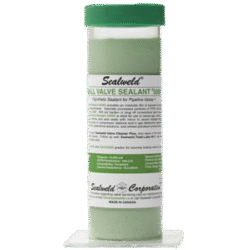
Sealweld Ball Valve Sealant #5050
Price range: $399.56 through $1,414.30What is the Sealweld Ball Valve Sealant #5050? Sealant providing an insoluble film of lubricant to protect seal faces and reduce torque; specially processed PTFE particles seal scratches on sealing surfaces up to 0.030". Will not harden or plug off conventional giant buttonhead sealant injection fittings. Recommended procedure per Sealweld: first inject Valve Cleaner Plus (soak 30-40 min, up to 8 h for problem valves), purge with Total-Lube #911, and inject #5050 only if #911 fails to hold a reliable seal. Heavier grades (increasing PTFE content) are for severely leaking valves and emergencies, designed for use by qualified technicians only - Sealweld asks to be consulted before applying them. PE Energy supplies the genuine Sealweld Ball Valve Sealant #5050 across the USA — request a quote for any part number below. Where is the Ball Valve Sealant #5050 used?Ball, gate and plug valves, orifice fittings, valve stems and seat seals with minor to severe leakage. Natural gas, water, oil and related by-products; crude oil, sour gas, CO2, water/brine, refined-product pipelines. Refineries, wellheads, pump/compressor stations, gas distribution systems. Specifications Base OilSynthetic ColorGreen Drop PointNone TextureTacky Pressure Rating10,000 PSI Astm Penetration200-250 Special AdditivesPTFE (semi-micronized) CompositionSemi-liquid Seals Scratches Up To0.030 inch Temperature Range-29°C to +232°C (-20°F to +450°F) Which Sealweld part numbers are available? Part NumberPackaging / Variant 422058Ball Valve Sealant #5050 - 10 lb Pail 422068Ball Valve Sealant #5050 - SuperGun Cartridges 15 oz - Case of 12 422062Ball Valve Sealant #5050 - 40 lb Pail 422066Ball Valve Sealant #5050 - Hydraulic Gun Cartridges 11 oz - Case of 16 422065Ball Valve Sealant #5050 - Hydraulic Gun Cartridge 11 oz (single) 422067Ball Valve Sealant #5050 - SuperGun Cartridge 15 oz (single) Every part number is available for quotation — contact PE Energy with the Sealweld part number and quantity. -
Sealweld Ball Valve Sealant X Heavy #5050
Price range: $471.71 through $1,826.81What is the Sealweld Ball Valve Sealant X Heavy #5050? Sealant providing an insoluble film of lubricant to protect seal faces and reduce torque; specially processed PTFE particles seal scratches on sealing surfaces up to 0.030". Will not harden or plug off conventional giant buttonhead sealant injection fittings. Recommended procedure per Sealweld: first inject Valve Cleaner Plus (soak 30-40 min, up to 8 h for problem valves), purge with Total-Lube #911, and inject #5050 only if #911 fails to hold a reliable seal. Heavier grades (increasing PTFE content) are for severely leaking valves and emergencies, designed for use by qualified technicians only - Sealweld asks to be consulted before applying them. PE Energy supplies the genuine Sealweld Ball Valve Sealant X Heavy #5050 across the USA — request a quote for any part number below. Where is the Ball Valve Sealant X Heavy #5050 used?Ball, gate and plug valves, orifice fittings, valve stems and seat seals with minor to severe leakage. Natural gas, water, oil and related by-products; crude oil, sour gas, CO2, water/brine, refined-product pipelines. Refineries, wellheads, pump/compressor stations, gas distribution systems. Specifications Base OilSynthetic ColorGreen Drop PointNone TextureTacky Pressure Rating10,000 PSI Astm Penetration200-250 Special AdditivesPTFE (semi-micronized) CompositionSemi-liquid Seals Scratches Up To0.030 inch Temperature Range-29°C to +232°C (-20°F to +450°F) Which Sealweld part numbers are available? Part NumberPackaging / Variant 422125Ball Valve Sealant X Heavy #5050 - 10 lb Pail 422129Ball Valve Sealant X Heavy #5050 - 40 lb Pail 422135Ball Valve Sealant X Heavy #5050 - SuperGun Cartridges 15 oz - Case of 12 422133Ball Valve Sealant X Heavy #5050 - Hydraulic Gun Cartridges 11 oz - Case of 16 422131Ball Valve Sealant X Heavy #5050 - Hydraulic Gun Cartridge 11 oz (single) Every part number is available for quotation — contact PE Energy with the Sealweld part number and quantity. -
Sealweld Ball Valve Sealant XX Heavy #5050
Price range: $502.58 through $1,977.23What is the Sealweld Ball Valve Sealant XX Heavy #5050? Sealant providing an insoluble film of lubricant to protect seal faces and reduce torque; specially processed PTFE particles seal scratches on sealing surfaces up to 0.030". Will not harden or plug off conventional giant buttonhead sealant injection fittings. Recommended procedure per Sealweld: first inject Valve Cleaner Plus (soak 30-40 min, up to 8 h for problem valves), purge with Total-Lube #911, and inject #5050 only if #911 fails to hold a reliable seal. Heavier grades (increasing PTFE content) are for severely leaking valves and emergencies, designed for use by qualified technicians only - Sealweld asks to be consulted before applying them. PE Energy supplies the genuine Sealweld Ball Valve Sealant XX Heavy #5050 across the USA — request a quote for any part number below. Where is the Ball Valve Sealant XX Heavy #5050 used?Ball, gate and plug valves, orifice fittings, valve stems and seat seals with minor to severe leakage. Natural gas, water, oil and related by-products; crude oil, sour gas, CO2, water/brine, refined-product pipelines. Refineries, wellheads, pump/compressor stations, gas distribution systems. Specifications Base OilSynthetic ColorGreen Drop PointNone TextureTacky Pressure Rating10,000 PSI Astm Penetration200-250 Special AdditivesPTFE (semi-micronized) CompositionSemi-liquid Seals Scratches Up To0.030 inch Temperature Range-29°C to +232°C (-20°F to +450°F) Which Sealweld part numbers are available? Part NumberPackaging / Variant 422145Ball Valve Sealant XX Heavy #5050 - 10 lb Pail 422154Ball Valve Sealant XX Heavy #5050 - SuperGun Cartridges 15 oz - Case of 12 422149Ball Valve Sealant XX Heavy #5050 - 40 lb Pail 422152Ball Valve Sealant XX Heavy #5050 - Hydraulic Gun Cartridges 11 oz - Case of 16 422151Ball Valve Sealant XX Heavy #5050 - Hydraulic Gun Cartridge 11 oz (single) Every part number is available for quotation — contact PE Energy with the Sealweld part number and quantity. -
Sealweld Ball Valve Sealant XXX Heavy #5050
Price range: $547.42 through $2,036.95What is the Sealweld Ball Valve Sealant XXX Heavy #5050? Sealant providing an insoluble film of lubricant to protect seal faces and reduce torque; specially processed PTFE particles seal scratches on sealing surfaces up to 0.030". Will not harden or plug off conventional giant buttonhead sealant injection fittings. Recommended procedure per Sealweld: first inject Valve Cleaner Plus (soak 30-40 min, up to 8 h for problem valves), purge with Total-Lube #911, and inject #5050 only if #911 fails to hold a reliable seal. Heavier grades (increasing PTFE content) are for severely leaking valves and emergencies, designed for use by qualified technicians only - Sealweld asks to be consulted before applying them. PE Energy supplies the genuine Sealweld Ball Valve Sealant XXX Heavy #5050 across the USA — request a quote for any part number below. Where is the Ball Valve Sealant XXX Heavy #5050 used?Ball, gate and plug valves, orifice fittings, valve stems and seat seals with minor to severe leakage. Natural gas, water, oil and related by-products; crude oil, sour gas, CO2, water/brine, refined-product pipelines. Refineries, wellheads, pump/compressor stations, gas distribution systems. Specifications Base OilSynthetic ColorGreen Drop PointNone TextureTacky Pressure Rating10,000 PSI Astm Penetration200-250 Special AdditivesPTFE (semi-micronized) CompositionSemi-liquid Seals Scratches Up To0.030 inch Temperature Range-29°C to +232°C (-20°F to +450°F) Which Sealweld part numbers are available? Part NumberPackaging / Variant 422155Ball Valve Sealant XXX Heavy #5050 - 10 lb Pail 422164Ball Valve Sealant XXX Heavy #5050 - SuperGun Cartridges 15 oz - Case of 12 422159Ball Valve Sealant XXX Heavy #5050 - 40 lb Pail 422162Ball Valve Sealant XXX Heavy #5050 - Hydraulic Gun Cartridges 11 oz - Case of 16 Every part number is available for quotation — contact PE Energy with the Sealweld part number and quantity. -
Sealweld Ball Valve Sealant XXXX Heavy #5050
Price range: $585.47 through $2,181.23What is the Sealweld Ball Valve Sealant XXXX Heavy #5050? Sealant providing an insoluble film of lubricant to protect seal faces and reduce torque; specially processed PTFE particles seal scratches on sealing surfaces up to 0.030". Will not harden or plug off conventional giant buttonhead sealant injection fittings. Recommended procedure per Sealweld: first inject Valve Cleaner Plus (soak 30-40 min, up to 8 h for problem valves), purge with Total-Lube #911, and inject #5050 only if #911 fails to hold a reliable seal. Heavier grades (increasing PTFE content) are for severely leaking valves and emergencies, designed for use by qualified technicians only - Sealweld asks to be consulted before applying them. PE Energy supplies the genuine Sealweld Ball Valve Sealant XXXX Heavy #5050 across the USA — request a quote for any part number below. Where is the Ball Valve Sealant XXXX Heavy #5050 used?Ball, gate and plug valves, orifice fittings, valve stems and seat seals with minor to severe leakage. Natural gas, water, oil and related by-products; crude oil, sour gas, CO2, water/brine, refined-product pipelines. Refineries, wellheads, pump/compressor stations, gas distribution systems. Specifications Base OilSynthetic ColorGreen Drop PointNone TextureTacky Pressure Rating10,000 PSI Astm Penetration200-250 Special AdditivesPTFE (semi-micronized) CompositionSemi-liquid Seals Scratches Up To0.030 inch Temperature Range-29°C to +232°C (-20°F to +450°F) Which Sealweld part numbers are available? Part NumberPackaging / Variant 422169Ball Valve Sealant XXXX Heavy #5050 - 10 lb Pail 422177Ball Valve Sealant XXXX Heavy #5050 - SuperGun Cartridges 15 oz - Case of 12 422172Ball Valve Sealant XXXX Heavy #5050 - 40 lb Pail 422175Ball Valve Sealant XXXX Heavy #5050 - Hydraulic Gun Cartridges 11 oz - Case of 16 Every part number is available for quotation — contact PE Energy with the Sealweld part number and quantity. -
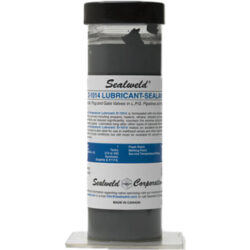
Sealweld D-1014 LPG Sealant with PTFE
Price range: $351.15 through $1,326.40What is the Sealweld D-1014 LPG Sealant with PTFE? Proprietary blend of synthetic materials formulated with low-temperature additives. Significantly reduces torque requirements, counters the extreme drying effects produced by liquefied petroleum gases, and keeps lubricating long after other lubricants have washed out. Also makes an excellent gearbox lubricant. Supplied in two variants: with PTFE (the standard 'LPG Sealant') and without PTFE. PE Energy supplies the genuine Sealweld D-1014 LPG Sealant with PTFE across the USA — request a quote for any part number below. Where is the D-1014 LPG Sealant with PTFE used?LPG/NGL services: propane, butane, ethane, ethylene and related by-products. Ball, gate, plug and wellhead valves, and valves left offline in extreme climates that must stay actuation-ready (pig traps and launchers). Specifications Base OilSynthetic ColorGrey Drop PointNone TextureThin paste Pressure Rating10,000 PSI Nlgi Grade1 (page prints 'NGLI Grade 1') Astm Penetration230-330 Special AdditivesGraphite & PTFE (PTFE version) Flash Point+221°C (+430°F) Melting PointNone Temperature Range-54°C to +204°C (-75°F to +400°F) Which Sealweld part numbers are available? Part NumberPackaging / Variant 421848D-1014 LPG Sealant with PTFE - 10 lb Pail 421853D-1014 LPG Sealant with PTFE - 40 lb Pail Every part number is available for quotation — contact PE Energy with the Sealweld part number and quantity. -
Sealweld D-1014 LPG Sealant without PTFE
Price range: $244.51 through $306.81What is the Sealweld D-1014 LPG Sealant without PTFE? Proprietary blend of synthetic materials formulated with low-temperature additives. Significantly reduces torque requirements, counters the extreme drying effects produced by liquefied petroleum gases, and keeps lubricating long after other lubricants have washed out. Also makes an excellent gearbox lubricant. Supplied in two variants: with PTFE (the standard 'LPG Sealant') and without PTFE. PE Energy supplies the genuine Sealweld D-1014 LPG Sealant without PTFE across the USA — request a quote for any part number below. Where is the D-1014 LPG Sealant without PTFE used?LPG/NGL services: propane, butane, ethane, ethylene and related by-products. Ball, gate, plug and wellhead valves, and valves left offline in extreme climates that must stay actuation-ready (pig traps and launchers). Specifications Base OilSynthetic ColorGrey Drop PointNone TextureThin paste Pressure Rating10,000 PSI Nlgi Grade1 (page prints 'NGLI Grade 1') Astm Penetration230-330 Special AdditivesGraphite & PTFE (PTFE version) Flash Point+221°C (+430°F) Melting PointNone Temperature Range-54°C to +204°C (-75°F to +400°F) -
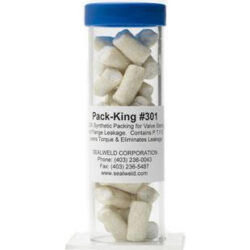
Sealweld Pack King #301 Stem Packing
Price range: $54.57 through $64.40Pack King #301 Stem Packing -
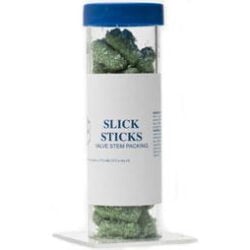
Sealweld Slick Sticks Stem Packing
Price range: $43.44 through $444.50Slick Sticks Stem Packing -
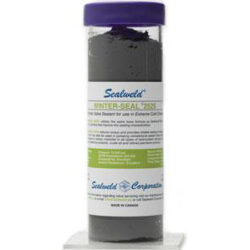
Sealweld Winter-Seal #2525 Sealant
Price range: $399.56 through $488.16Winter-Seal #2525 Sealant