
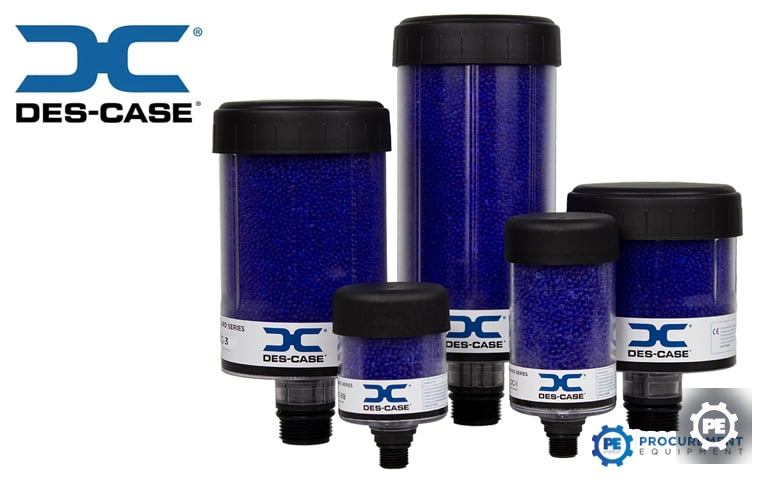
Your desiccant breather is working right now—silently trapping moisture before it can destroy your lubricants. But here’s what most maintenance teams get wrong:
They forget about it until something breaks.
A saturated breather isn’t protecting anything. It’s just a plastic tube full of wet sand. And every hour it sits there maxed out, contaminated air is flowing straight into your equipment.
Why Desiccant Breather Inspection Should Be on Your PM Schedule
Here’s the thing about desiccant breathers: they’re designed to sacrifice themselves protecting your equipment. The silica gel inside absorbs moisture until it can’t absorb any more. Then it stops working.
The difference between “still protecting” and “completely useless” is a simple color change you can see in seconds. But only if you’re looking.
Best practice: Inspect your desiccant breathers at least biweekly—more often in high-humidity environments. Even if using a vacuum indicator, never let a breather go more than 12-18 months without replacement.
How to Read Your Desiccant Breather’s Color Indicators
The color of your silica gel tells you exactly what’s happening inside your equipment. Learn to read it, and you’ll catch problems before they become failures.
Blue Silica Gel: Desiccant Breather at Full Capacity
Original blue color means your desiccant breather still has moisture absorption capacity. It’s doing its job. No action needed—just keep monitoring.
Pink Silica Gel: Desiccant Breather Approaching Saturation
When blue turns pink, the silica gel is absorbing moisture. But WHERE the color changes tells you something critical:
Pink From Bottom Up: External Moisture Contamination
The breather is capturing moisture from ambient air during breathing cycles. This is normal operation—the breather is doing exactly what it should. For environments with extremely high humidity, consider Des-Case serviceable desiccant breathers with check valves that extend breather life.
Pink From Top Down: Internal Moisture Problem
This is a warning sign. Moisture is coming from INSIDE your equipment—the breather is actually drying out your lubricant headspace. Good that it’s working, but investigate why there’s excess moisture in your system.
Pink From Both Directions: Dual Contamination Source
Moisture is entering from both inside and outside. Your breather is working overtime. Consider a larger capacity model or more frequent replacement schedules.
Fully Pink: Replace Your Desiccant Breather Immediately
When the entire breather turns pink, it’s saturated. Maximum water capacity reached. Zero protection. Replace it now.
Troubleshooting Unexpected Desiccant Breather Colors
Sometimes your desiccant breather turns colors you didn’t expect. Here’s what they mean:
Green or Brown Silica Gel: Oil Contamination Without Moisture
Oil from your equipment is being absorbed by the silica gel. The breather is pulling oil mist from the headspace. This reduces moisture absorption capacity and can clog the particulate filter.
Orange Silica Gel: Oil AND Moisture Contamination
The worst combination. Oil has saturated the desiccant AND moisture is present. Replace immediately and address the oil mist problem. Solutions include remote mounting, demisting adapters, or breathers with activated charcoal for vaporized oil.
Using Vacuum Indicators with Desiccant Breathers
A vacuum indicator adds another layer of monitoring. Even if your silica gel looks fine, a red indicator window means the particulate filter is clogged.
Red Vacuum Indicator: Immediate Desiccant Breather Replacement Required
Significant differential pressure—the filter is saturated with particles. Replace the breather immediately regardless of desiccant color. Restricted airflow can create vacuum conditions that damage seals.
Desiccant Breather Replacement Procedure
When any indicator shows replacement is needed:
1. Remove the saturated breather
2. Dispose according to local regulations
3. Install new breather immediately—don’t leave the port open
4. Follow installation instructions on breather packaging
For rebuildable breathers, consider the Des-Case rebuildable steel breather rebuild kits to reduce waste and cost. For standard disposable breathers, Air Sentry desiccant breathers offer easy screw-on replacement.
Create a Desiccant Breather Maintenance Schedule
Don’t rely on memory. Build breather inspection into your preventive maintenance program:
Weekly: Quick visual check of color status
Biweekly: Documented inspection with notes on color progression
Monthly: Review replacement trends across all breathers
Annually: Evaluate if breather sizing is appropriate
A simple spreadsheet tracking breather installation dates and replacement dates will reveal patterns—equipment that saturates breathers faster may have seal issues or other problems worth investigating.
Review the complete desiccant breather maintenance guide below for visual reference on color indicators and inspection procedures.
DISPOSABLE BREATHER MAINTENANCE AND INSTRUCTION GUIDE
MAINTENANCE / INSPECTION:
Breathers should be replaced based on color, or, if using a vacuum indicator (suggested), whichever indication is first. If not using a vacuum indicator, best practice is to change the breather after 12-18 months regardless of color.
1. Inspect the color of the desiccant breather per PM schedule or biweekly at a minimum.
a. Original color (e.g., blue): Full capacity, not yet saturated.
b. Saturation color (e.g., pink): Indicates spending as it becomes saturated.
i. Filter turns from bottom up: Main moisture comes from outside the equipment.
ii. Filter turns from top down: Moisture problem inside the equipment that the breather is beginning to dry out.
iii. Color change from both top and bottom: Moisture coming from inside and outside of the equipment.
c. Fully saturated: Has reached maximum water capacity and should be replaced.
2. When you have the breather installed with a vacuum indicator, check the color of the window on the adapter.
a. Red color: Significant differential pressure – filter is saturated by particles (clogged). Must be changed immediately regardless of desiccant color.
ACTIVE
HEAD SPACE
Moisture
Direction
AMBIENT
REPLACE
d. Unexpected colors (green, orange, brown):
These colors mean oil is coming from the application and being absorbed by the silica gel.
Green/brown: Blue silica gel has adsorbed oil, not exposed to moisture
Orange: Blue silica gel has adsorbed oil AND moisture
If oil contamination occurs: Replace the breather to prevent clogged filters and reduced airflow. To reduce oil carryover, use breathers with oil mist reduction features, remote mounting, or demisting adapters. For vaporized oil, adding activated charcoal inside the breather is effective.
DISPOSAL / REPLACEMENT:
When one of the listed indications shows that the breather needs to be replaced, dispose of the breather according to local regulations. A new breather should be installed immediately after removal of the spent breather, following instructions on the breather packaging.
DISPOSABLE BREATHER MAINTENANCE AND INSTRUCTION GUIDE
MAINTENANCE / INSPECTION:
Breathers should be replaced based on color, or, if using a vacuum indicator (suggested), whichever indication is first. If not using a vacuum indicator, best practice is to change the breather after 12-18 months regardless of color.
1. Inspect the color of the desiccant breather per PM schedule or biweekly at a minimum.
a. Original color (e.g., blue): Full capacity, not yet saturated.
b. Saturation color (e.g., pink): Indicates spending as it becomes saturated.
i. Filter turns from bottom up: Main moisture comes from outside the equipment.
ii. Filter turns from top down: Moisture problem inside the equipment that the breather is beginning to dry out.
iii. Color change from both top and bottom: Moisture coming from inside and outside of the equipment.
c. Fully saturated: Has reached maximum water capacity and should be replaced.
2. When you have the breather installed with a vacuum indicator, check the color of the window on the adapter.
a. Red color: Significant differential pressure – filter is saturated by particles (clogged). Must be changed immediately regardless of desiccant color.
ACTIVE
HEAD SPACE
Moisture
Direction
AMBIENT
REPLACE
d. Unexpected colors (green, orange, brown):
These colors mean oil is coming from the application and being absorbed by the silica gel.
Green/brown: Blue silica gel has adsorbed oil, not exposed to moisture
Orange: Blue silica gel has adsorbed oil AND moisture
If oil contamination occurs: Replace the breather to prevent clogged filters and reduced airflow. To reduce oil carryover, use breathers with oil mist reduction features, remote mounting, or demisting adapters. For vaporized oil, adding activated charcoal inside the breather is effective.
DISPOSAL / REPLACEMENT:
When one of the listed indications shows that the breather needs to be replaced, dispose of the breather according to local regulations. A new breather should be installed immediately after removal of the spent breather, following instructions on the breather packaging.